


Underdosing naloxone
Globally, an estimated 69,000 people die each year from opioid overdose. The drug naloxone can quickly block opioid receptors in the brain and is used in some cases to bring people back from the brink of overdose death. Amberleigh Jack look

Kiwis excited to experience a month off alcohol
Starting this Sunday, New Zealanders from around the country are taking part in FebFast, an annual fundraising campaign that challenges participants to experience the month of February without alcohol.

FebFast 2015 to tackle NZ's rape culture
The New Zealand Drug Foundation is partnering with Rape Prevention Education for FebFast 2015, which will challenge participants to experience the month of February without drinking while raising funds to combat sexual violence.
 Dec 1
Dec 1 2014
2nd International Symposium on Drugs and Driving
The 2nd International Symposium on Drugs and Driving was hosted in Wellington to confront the challenges of responding to drug impaired driving.
Nov 11 2014
Bringing the perils of drug driving to the Wellington waterfront
Visiting Wellington this week is a public education campaign which challenges drivers who think driving after smoking cannabis is okay.
Nov 10 2014
International spotlight on drug driving
The lack of a thorough understanding about the complex issue of drugs and driving must not be an excuse for inaction – this is the theme of the 2nd International Drugs and Driving Symposium being held in Wellington this week.

How well are pre-charge warnings working?
Pre-charge warnings have quietly become a valuable new tool in the policing tool box and an effective way of getting minor crime out of an overloaded court system.
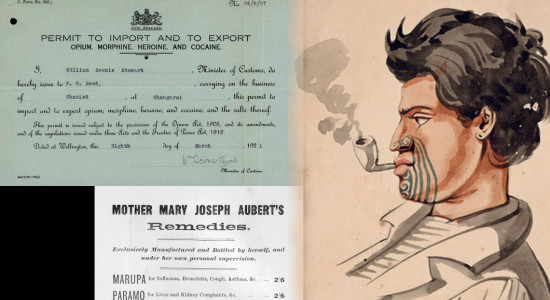
History never repeats
New Zealand’s history of drugs and the laws to control them.
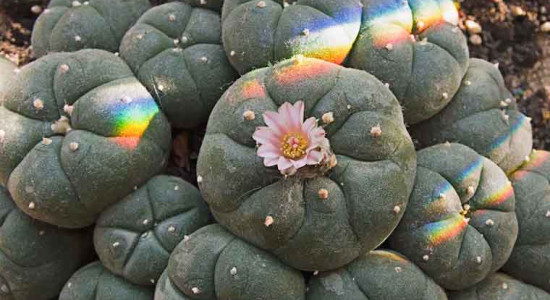
About a drug: Mescaline
Mescaline is an alkaloid that causes hallucinogenic effects similar to those of LSD and psilocybin (magic mushrooms). It occurs naturally in several varieties of cactus, most notably peyote (native to Mexico) and the San Pedro cactus (nativ