

Report: What we saw at drug checking in 2025
Drug checking is a free, legal and confidential service that saves lives and reduces harm by telling people what’s really in their drugs and sharing harm reduction information with them.
It also prevents harm in the wider community by alerting people to dangerous substances that are in circulation.

NZ Drug Foundation Te Puna Whakaiti Pāmamae Kai Whakapiri has been a licensed drug checking service provider since late 2021.
The data in this report only relates to drug checking clinics operated by the NZ Drug Foundation. We have the privilege of working alongside KnowYourStuffNZ and Drug Injecting Services Canterbury (DISC) Trust, who also provide drug checking services across Aotearoa.
We are able to achieve this through the support of the New Zealand Institute for Public Health and Forensic Science (PHF Science, formerly ESR), who provide confirmatory testing, equipment maintenance and scientific guidance for drug checking services.
The University of Auckland also holds a drug checking license for specific projects on psychedelics.
Jump to:
How drug checking works
Find your nearest clinic on thelevel.org.nz
1. Check in
We give each person a code name to keep them anonymous.
2. We take a sample
We ask some questions and take a small sample of the drug for checking – about 10mg, roughly the size of a match head. We give the rest back.
3. We check it
We use a range of tools to check people’s drugs, including:
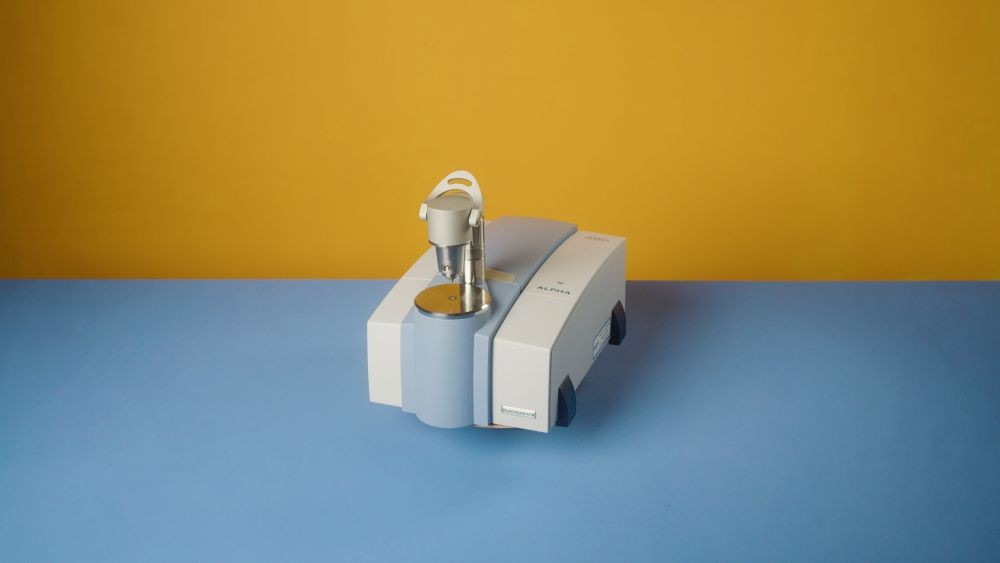
Spectrometer: A machine that matches a light waveform reading of a sample against a database of more than 25,000 substances.
Reagents: Chemicals that change colour when they react with certain drugs.
Test strips: Strips that show if fentanyl or benzodiazepines are present in a sample.
4. We say what we found
We call out a person’s code name when their results are ready.
We return any remaining samples, then have a private conversation about what we’ve found and ways to stay safer.
In some cases, we may ask for permission to send a sample for further checking.
We can safely dispose of anything a person doesn’t want to keep, but we won’t confiscate drugs under any circumstances.
How many drugs did we check in 2025?
2025 was our fourth full year operating as a licensed drug checking provider.
We tested a total of 3164 samples across the year.
Excluding clinics inside festivals and events, samples tested at our public community clinics increased 12% in 2025.
In 2025 we held 137 drug checking clinics across 16 different venues in four regions. This is compared to 141 clinics in 2024, 98 clinics in 2023, and 73 clinics in 2022.
2025 was our first full year operating a 5-day-a-week service at our Auckland office. This service accounted for 78% of public clinic samples we tested.
Our diverse team have different backgrounds and experiences, but we all share the goal of reducing drug harm in Aotearoa."
- Alana, drug checker
How many people were new to drug checking?
In March 2024 we started recording if people were new to drug checking or whether they had used any drug checking service in Aotearoa before.
This helps us to understand how successfully we are growing the service.
Of the people who were comfortable answering, 58% had previously used drug checking services in Aotearoa while 42% had never used a drug checking service before.
This compares to 40% who had never used a drug checking service before and 60% had used drug checking service from March-December 2024.
How often were drugs as expected?
In 2025, 72.2% of drugs were what people expected, up from 68% in 2024 and 64% in 2023.
Many of these drugs contained binder or filler, but didn’t contain any other psychoactive drug, medicine or hazardous substance.
For 11.4% of samples, the client did not know what substance they had.
7% of samples contained a completely different drug to what the person expected.
A further 5.2% of samples contained the drug the person expected plus one or more other psychoactive drugs, medications, or hazardous substances, or were completely filler with a trace amount of the presumed drug.
4.1% of samples returned inconclusive results, meaning we weren’t able to confirm what substances were present.
I almost didn’t come to drug checking, and if I hadn’t then I would have taken something I didn’t want to take. I’m so glad I came." - Jeremy, drug checking staff member, 2024.
What drugs did people think they had?
As drug checking reaches new communities, we see different types of drugs brought in for us to check.
We’ve broken down the most common drugs people expected they had across all clinics and just public clinics (excluding events and festivals).
Today is my errands day – getting groceries, petrol, and getting my drugs checked.
It’s become a normal part of my routine.”
– Client
Public Clinics
(excluding festivals and events)
At our public clinics, MDMA was the most common drug people thought they had. This was followed by cocaine, ketamine, methamphetamine, and LSD; many clients also did not know what substance they had when they came to drug checking.
All Clinics
(including festivals and events)
MDMA was the most common drug brought into all clinics, making up 45% of the total, followed by cocaine, ketamine, methamphetamine and LSD.
In 2025 we saw a significant increase in cocaine, steroids/PIEDS, etomidate and medicines being brought in.
You checked my drugs last year! So happy that you’re back, and that people taking drugs here can be as safe as possible.”
– Client at festival
What drugs did people actually have?
This data is based on the main psychoactive component of each sample. In many cases, samples were mixtures of two or more substances.
See Individual drug data for a breakdown of these for our top most tested drugs.
All Clinics
(including festivals and events)
Drug checking is an excellent, necessary resource. I love helping keep the community safe.”
– Kalaa, drug checker
Donate to support drug checking
Support our efforts to reduce drug harm by making drug checking more accessible.
Binders and fillers
In samples that weren’t entirely MDMA, 13% contained a medicine. Medicines we
detected include paracetamol, phenmetrazine, and quinidine gluconate.
24% of all MDMA samples had binder or filler. The fillers we found most often in MDMA included sugar, cellulose, calcium, creatine and dimethyl sulfone (MSM).
What we found in cocaine
Binders and fillers
31% of cocaine samples also contained some binder or filler. The fillers we found most often in cocaine included creatine, lactose, sugar, and sodium bicarbonate (baking soda).
What we found in ketamine
In the 5% of samples that were mixed with other psychoactive substances or had no ketamine, we found:
A range of substances including methamphetamine, cocaine, MDMA, and synthetic cathinones.
Binders and fillers
10.3% of ketamine we tested also contained some binder or filler. The fillers we found most often in ketamine were sugar & substitutes, monosodium glutamate (MSG), creatine, and dimethyl sufone (MSM).
What we found in methamphetamine
Binders and fillers
11.1% of methamphetamine we tested also contained some binder or filler. The fillers we found most often in methamphetamine were isopropylbenzylamine, sugar, dimethyl sulfone (MSM), and oil.
What binders and fillers did we find?
Binders and fillers are substances that are not psychoactive and are often used to bulk out drugs.
It’s important that people know what binders and fillers are in their drugs. Some binders, such as gelatin, are dangerous to inject and can cause serious injury. Fillers, such as Epsom salts, can hurt your nose if snorted. Other fillers are common allergens, such as lactose or wheat flour.
Just because one part of a drug has filler doesn’t mean it is evenly distributed throughout the whole bag or pill. We always recommend that people crush, mix and measure their drugs before splitting up doses to try and get the most even distribution and minimise the risk of overdosing.
27% of the drugs we tested in 2025 contained one or more binder or filler.
The most common binders and fillers we found were:
What concerning substances did we find?
In 2025, drug checking providers continued to identify concerning substances. These substances are more dangerous if people do not know they are consuming them, for example if they have been misrepresented as, or mixed in with, another drug.
As the New Zealand drug market continues to change, we see more new psychoactive substances appearing in our market. Most of the time when people bring in their drugs to be checked, we can detect a dangerous substance before someone takes it.
Drug checking is the best way to know what drug you have so you can avoid taking a substance you aren’t expecting to.
 2% of the samples brought into our clinics in 2025 were reported to be related to a harm incident before they were brought in for checking.
In 2025, we continued to see nitazenes appear at drug checking clinics. Nitazenes are a family of potent synthetic opioids that are much stronger than heroin. Many nitazenes are also stronger than fentanyl. These substances are very easy to overdose on.
To date, nitazenes, as well as other potent opioids such as fentanyl and heroin, have been misrepresented in New Zealand as many other substances, including cocaine, ketamine, benzodiazepines and weaker opioids, such as oxycodone.
To learn how to be safer when using fentanyl and nitazenes, visit thelevel.org.nz/drug-information/fentanyl-and-nitazenes
In 2025, we saw many drugs that also contained an unexpected medicine. Medicines are sometimes used to bulk out drugs and can range from paracetamol and ibuprofen to local anesthetics, to veterinary medicines, such as levamisole.
Medicines can be dangerous when added to drugs for many reasons. They can interact with the drug itself or other medications a person might be on, they can be dangerous to snort or inject, and some can have unpleasant side effects.
If we do find a medicine in a client's drug, we chat about the risks and side effects and whether there could be any dangerous interactions with other drugs or medicine the client is taking.
We continue to see a variety of unexpected chemicals in drug checking samples. These substances are sometimes mixed into drugs, or misrepresented as them entirely. Many of these chemicals share a similar look, texture or smell to common drugs such as methamphetamine, cocaine or GHB/GBL, making them hard to differentiate.
In 2025 we saw a range of substances that are generally not safe for human consumption, including solvents, plasticizers and products of drug synthesis. The effects of these drugs can vary greatly, from skin irritation, to vomiting, to potentially life-threatening poisonings. Many of these substances can also carry extra risks if they are snorted, injected, smoked or boofed.
Benzodiazepines (benzos) are one of the drugs that we regularly see misrepresented in New Zealand. In 2025, we continued to see counterfeit benzos sold as legitimate prescription benzos such as diazepam (Valium) or alprazolam (Xanax). These drugs actually contained novel benzodiazepines which are made illicitly and do not have medical uses. These benzos are often stronger and longer lasting than prescription benzos and can have more unpleasant side effects.
Counterfeit benzos are also not dosed evenly like a prescription pill is. Many contain unknown doses and the active ingredients can be unevenly distributed across the pill.
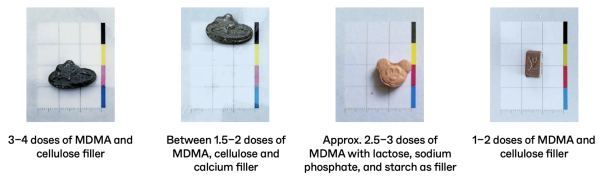
People often think 1 pill = 1 dose of MDMA, but this is not the case.
In fact, most pressed pills we see contain more than one dose of MDMA (some have contained as much as 1 gram of MDMA. That's 10 common doses!).
We have also found differences in the amount of MDMA in very similar-looking pressed pills. Pills of the same shape and colour can contain totally different amounts of MDMA. On top of this, MDMA is almost never evenly distributed across a pill. This is why it is so important to crush, mix and measure before taking pills.
This year we also saw pills that contained mixtures of MDMA and another drug, such as caffeine and ketamine. These pills can be very hard to dose accurately and can carry extra risk of unpleasant effects and overdose.

To learn how to be safer when using MDMA, visit thelevel.org.nz/drug-information/mdma
What new psychoactive substances did we identify?
New psychoactive substances (NPS) are synthetic drugs that are designed to mimic the effects of more ‘traditional’ illicit substances.
They are often manufactured internationally to get around existing drug controls. NPS are often more potent, unpredictable and dangerous than traditional illicit substances.
Many of these drugs have very little information on their effects, dosage and impact on the body, which can make them even riskier to use. NPS can be particularly dangerous when they are misrepresented as another drug.
In 2025 we detected 27 different NPS in drug checking samples. Some of the NPS we saw included novel benzos such as ethylbromazolam, synthetic cathinones such as cyputylone
and 2-MMC, as well as nitazenes, synthetic cannabinoids and novel dissociatives.
In 2025, an NPS appeared 65 times in drug checking samples.
Every year, there are many new NPS being manufactured. Drug checking services work hard alongside our partners at PHF Science to ensure that we keep our technology up to date in order to identify these new drugs.
I’m proud to work for drug checking, doing such important mahi. Providing this service makes a real difference in people’s lives, and that’s an empowering feeling, knowing you’ve actively helped someone be safer.”
– Estelle, drug checker
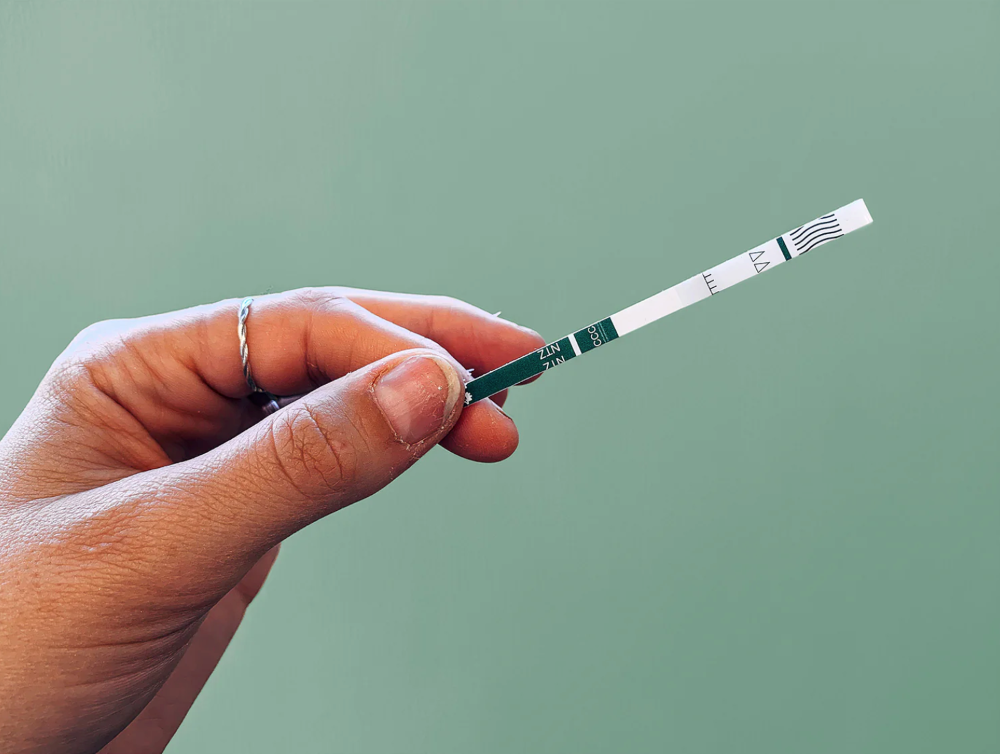
Nitazene and fentanyl test strips
In 2025 we distributed
15,465
free nitazene and fentanyl test strips to people across Aotearoa via our website, front line partners and drug checking clinics.
These test strips allow people to check their drugs at home for potent synthetic opioids.
They are a key harm reduction tool, especially for people who can’t get to a drug checking clinic.
You can order free test strips at resources.drugfoundation.org.nz or ask your friendly drug checker for a pack.
Harm reduction
100%
of people who used our drug checking service had a harm reduction conversation.
Drug checking isn’t just about telling people what’s in their drugs. A key part of delivering the service in Aotearoa is having a harm reduction conversation and sharing information about how to stay safer. This happens whether or not a drug is what the person expected, and whether they choose to take it or not.
Our harm reduction conversations are non-judgemental and are tailored to a person’s results, experiences and understanding. We love to hear people’s tips about how they stay safer so that we can pass these on to others.
I’m so happy that young people can access drug information. We had nothing like this in my drug taking days and we never knew what we were taking, or what to expect.”
– Client
How do people stay safer when using drugs?
As part of our harm reduction conversations, we ask people what they do to say safer.
Other tips to stay safer that people told us in 2024 included:
“I always do a nasal rinse the next day - I hurt my nose after not doing this for years.”
“Later in the night, we check how much each other is dosing out to make sure we’re not taking too much. We call it “peer review”!”
“Know how long an LSD trip is going to be, and keep track of how long it’s been (in case you’re not having a good time).”
“Be sun smart! It’s not a tip about drugs, but getting too much sun has made us sick in past years!”
“Stick together with your mates… and check in on the bros later in the night.”
“We take breaks between [music] sets, and get some water. Half our crew prefers to stay at the back of the mosh since they want to be around less people.”
“I don’t take mystery pills or floor drugs anymore. I check my drugs, no need to be the “guinea pig” anymore.”
“I haven’t known how to talk to my family about drugs, but your convo planner and The Level might help with this, I'll check 'em out.”
“I use the blue wheel filter with my stuff, before injecting. And new gear from the needle exchange.”
“We always bring snacks, make sure no one is driving that day, and only use one drug at a time. We want to make sure we’re good to go, the next day!”
What did people plan to do if their drug wasn’t as expected?
Reasons why people said they would still take a drug if it was different to what they expected:
Harm reduction measures of people taking a substance that was different to what they expected:
How would people take their drugs?
For those clients who told us how they would take a drug, the most common route of administration (ROA) was taking orally (43%) – such as swallowing in a cap or drinking in a drink.
Of the people who discussed the ROA they planned to take with us, 20% said they would use a lower-risk ROA after the harm reduction conversation, and 20% of people said they would take safety precautions related to their ROA.
No matter how you plan on using a drug, there are lots of things you can do to stay safer.
Acknowledgements 
We acknowledge the support of Ministry of Health, Te Whatu Ora Health NZ and DIANZ/High Alert in helping us to provide this service to the community.
We would also like to acknowledge the organisations we have worked with over the last year to support us in getting drug checking into communities, including: ADIO Trust – Auckland Central, Auckland South and Whangārei, Auckland University Students’ Association (AUSA), Burnett Foundation Aotearoa, CAYAD Auckland, DHDP, Hato Hone St John, Hempstore Aotearoa, Laneway Festival, NZPC: Aotearoa New Zealand Sex Workers’ Collective, Odyssey, Studio One Toi Tū, Te Kaunihera o Tāmaki Makaurau | Auckland Council, Te Tāpui Atawhai Auckland City Mission, Te Whatu Ora Health New Zealand Northland, Waimanako/The Hope Centre, Te Whatu Ora Health New Zealand West Coast, Ora Toa, Whaiora Medical Centre, Tui Ora, University of Auckland Student Wellbeing Team, and the team at Rhythm and Vines Festival.
And most importantly, our community of people who use drugs, for their knowledge, support and trust in us.
Share:
Drugs
Recent news
Drug Foundation supports focus on early intervention in new govt strategy
The NZ Drug Foundation is pleased to see a focus on early intervention to reduce drug harm in the Government’s new mental health and wellbeing strategy
A peer-led model is the key to ReWired’s success
A recent evaluation of ReWired found the mutual-aid programme is outperforming international benchmarks.
Health Committee to consider anonymous submissions on Good Samaritan overdose bill
People will be able to anonymously submit to the committee considering a law change that would legally protect people calling for help for drug emergencies.