

Roadside drug testing: what you need to know
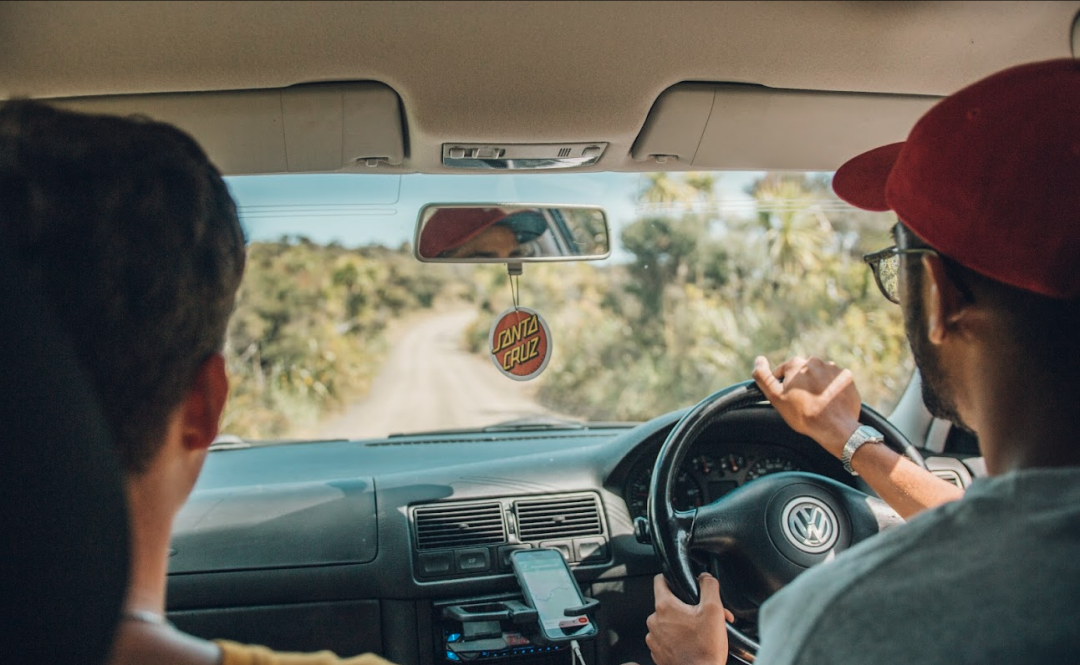
It's important that you don’t drive if you’re impaired – whether that’s from alcohol, other drugs, medication, fatigue, or stress.
Drugs (including prescription medicines) contribute significantly to harm and death on our roads – according to Waka Kotahi, they are present in nearly a third of all fatal crashes.
To try and address this, Parliament recently passed a law that will enable Police to conduct random roadside saliva drug tests, with a target of 50,000 tests conducted per year.
Unfortunately, we know that saliva tests can detect drugs long after they’ve been used and long after someone is impaired by them. Unlike alcohol, where its presence in your blood or breath more directly correlates to impairment, a medicine or drug can be detected in your saliva long after you stop being impaired.
In fact, the AS/NZS standard that the Police are using to determine thresholds for detecting drugs in saliva specifically states, "it is not appropriate to relate the presence of drugs in oral fluid to impairment, but rather to relatively recent exposure."
We’ve been contacted by lots of people who use drugs who are concerned about how the new law will affect them, so we’ve put together this comprehensive guide on what you need to know about roadside drug testing.
Where details are yet to be confirmed, we've highlighted them in grey like this.
The information in this article is accurate as of 16 December 2025, and we’ll be updating it as we find out more.
Jump to:
How it will work
- What is roadside drug testing, and how will it work?
- When will roadside drug testing start in NZ?
- Which drugs can be detected in these tests?
- How long after I take a drug can it be detected in a roadside saliva test?
- What are the detection thresholds?
- Can police randomly test any driver, or do they need reasonable cause?
- How long does the test take to give results?
Penalties
- What is the penalty if I test positive?
- Can I refuse a roadside drug test? What happens if I do?
- Could a positive roadside drug test lead to criminal charges?
Medicinal cannabis and ADHD medication
- Will medicinal cannabis test positive? What happens if I have a prescription?
- Will my ADHD medication test positive?
- Should I carry my prescription with me?
Other info
- What is a compulsory impairment test and what happens if I fail?
- When might I have to undergo a blood test?
- Can I challenge the test result if I think it's incorrect?
- Can roadside drug tests detect alcohol as well as drugs?
- What should I do if I'm unsure about driving after drug use?
- How can I ensure my medication won't cause issues with roadside testing?
How it will work
What is roadside drug testing, and how does it work?
The new law allows Police to conduct roadside drug tests of drivers on New Zealand roads, similar to how they can currently conduct alcohol breath tests.
Drivers’ saliva (spit) will be tested with a quick tongue swipe. This screening test will check for the presence of four drugs: THC (cannabis), cocaine, methamphetamine, or MDMA.
- If your saliva test is negative (no drugs were detected) that will ordinarily be the end of the process, although an officer can still require you to undergo a compulsory impairment test if they have “good cause” to suspect you have taken drugs.
- If your saliva test is positive (one or more drugs were detected) you will be asked to take a second saliva test. If this also tests positive, you will be barred from driving for 12 hours.
Regardless of the result of your second test, you will be asked to provide a saliva sample to be sent away for further testing at a lab to determine whether any of 25 ‘qualifying drugs’ are in your saliva. If they are found, you will be sent an infringement offence notice, which carries demerit points and a fine.
The 25 'qualifying drugs' that will be tested for at the lab are:
- Alprazolam
- Amphetamine
- Buprenorphine
- Clonazepam
- Cocaine
- Codeine
- Diazepam
- Dihydrocodeine
- Fentanyl
- GHB
- Ketamine
- Lorazepam
- MDMA
- Methadone
- Methamphetamine
- Midazolam
- Morphine
- Nitrazepam
- Oxazepam
- Oxycodone
- Temazepam
- THC (cannabis)
- Tramadol
- Triazolam
- Zopiclone
When did roadside drug testing start in NZ?
Roadside drug testing began rolling out in Wellington on 15 December 2025, and will expand nationwide by mid-2026.
Which drugs can be detected in these tests?
Roadside tests screen for four drugs:
- THC (Cannabis)
- Cocaine
- Methamphetamine
- MDMA
If you test positive at the roadside, a saliva sample will be taken and sent to a lab, where they will test for:
- Alprazolam
- Amphetamine
- Buprenorphine
- Clonazepam
- Cocaine
- Codeine
- Diazepam
- Dihydrocodeine
- Fentanyl
- GHB
- Ketamine
- Lorazepam
- MDMA
- Methadone
- Methamphetamine
- Midazolam
- Morphine
- Nitrazepam
- Oxazepam
- Oxycodone
- Temazepam
- THC (cannabis)
- Tramadol
- Triazolam
- Zopiclone
How long after I take a drug can it be detected in a roadside saliva test?
This will be different for everyone and will depend on a lot of factors.
Police say that detection thresholds in roadside devices have been set to indicate recent use. However, detection times can vary greatly depending on your body, how much you’ve taken, and how frequently you are taking a drug.
We've asked Police to provide estimated detection windows based on the devices and detection thresholds they will be using and we will update this page if and when they provide more information.
In the meantime, studies that have been conducted give a very wide range of potential detection times for saliva tests:
- THC (cannabis) around 12 hours for people who use cannabis infrequently, up to 72 hours for people who use cannabis frequently.
- MDMA 2-4 days
- Methamphetamine 1-4 days
- Cocaine 12-48 hours
What are the detection thresholds?
There are two different sets of detection thresholds - 'screening thresholds' for roadside devices and 'evidential thresholds' for tests done at the lab if you fail a roadside test.
Roadside test screening thresholds
For roadside screening devices, Police are using the thresholds set out in the AS/NZS 4760:2019 standard for 'on-site immunoassay test cut-off concentrations'.
These are:
| Drug | Positive screening threshold (ng/mL) |
| Cocaine | 50 |
| MDMA | 50 |
| Methamphetamine | 50 |
| THC (cannabis) | 15 |
Lab test evidential thresholds
If your screening test is positive at the roadside, a saliva sample is sent to the lab and tested for 25 'qualifying drugs'. The thresholds for this test are:
| Drug | Positive evidential threshold (ng/mL) |
| Alprazolam | 3 |
| Amphetamine | 25 |
| Buprenorphine | 2 |
| Clonazepam | 3 |
| Cocaine | 25 |
| Codeine | 25 |
| Diazepam | 5 |
| Dihydrocodeine | 25 |
| Fentanyl | 1 |
| GHB | 5000 |
| Ketamine | 50 |
| Lorazepam | 3 |
| MDMA | 25 |
| Methadone | 20 |
| Methamphetamine | 25 |
| Midazolam | 3 |
| Morphine | 25 |
| Nitrazepam | 3 |
| Oxazepam | 5 |
| Oxycodone | 20 |
| Temazepam | 5 |
| THC (cannabis) | 5 |
| Tramadol | 200 |
| Triazolam | 1 |
| Zopiclone | 50 |
Can police randomly test any driver, or do they need reasonable cause?
The law allows Police to randomly test any driver. If you refuse to give a saliva sample, you can be given an infringement offence, which carries and a $400 fine and 75 demerit points, as well as being immediately barred from driving for 12 hours.
How long does the test take to give results?
Police say the roadside screening test will take 10 minutes.
Penalties
What is the penalty if I test positive?
If your first roadside screening test is positive, Police will take a further saliva sample to be sent away for further evidential testing in a lab. In the meantime, you will be required to take a second roadside screening test. If this is also positive, you’ll be barred from driving for 12 hours.
If the lab finds 1 ‘qualifying drug’ in your saliva sample, you’ll be sent an infringement offence notice that carries a $200 fine and 50 demerit points.
If the lab finds 2 or more ‘qualifying drugs’ in your saliva sample, you’ll be sent an infringement offence notice that carries a $400 fine and 75 demerit points.
Can I refuse a roadside drug test? What happens if I do?
Refusing to give a saliva sample is an infringement offence, which carries a $400 fine and 75 demerit points. If you refuse to give a saliva sample you'll also be immediately barred from driving for 12 hours. Under certain conditions, the Police may require a person refusing to give a saliva sample to undertake a blood test.
Could a positive roadside drug test lead to criminal charges?
Under the law, a saliva sample that tests positive in the lab will lead to an infringement offence notice (unless a medical defence applies), and not a criminal conviction.
However, if a police officer has good cause to suspect you are impaired and undertakes a compulsory impairment test or requires a blood test, then criminal charges can be brought (the maximum penalty is imprisonment for up to 3 months or a fine up to $4,500).
These can only happen under certain conditions.
For instance, the Police have the power to undertake a compulsory impairment test following the first of two roadside saliva tests, but not after a second test has provided a positive result.
Medicinal cannabis & ADHD medication
Will medicinal cannabis test positive? What happens if I have a prescription?
Most medicinal cannabis prescribed in New Zealand contains THC which can test positive on a roadside saliva test.
However, if you take CBD-isolate, this does not contain THC and will be not be detected by a roadside saliva test.
If you have a prescription and have used your medicinal cannabis according to your prescriber’s instructions, the law gives you a medical defence against an infringement notice.
However, a medical defence unfortunately does not apply immediately at the roadside. This means that if you give two positive saliva tests at the roadside you will be barred from driving for 12 hours, regardless of whether you have a prescription or not.
If you have been given an infringement notice you can apply for a medical defence on the Police website
Will my ADHD medication test positive?
There are some concerns that amphetamine-based medication used to treat ADHD, such as dexamfetamine and lisdexamfetamine, could be detected by roadside testing devices screening for methamphetamine.
Police say that roadside saliva tests will not detect amphetamines and therefore ADHD medicines will not trigger a positive result.
If you test positive in a roadside saliva test for a different drug, amphetamine-based ADHD medications may be detected in your saliva sample that is sent to the lab (as these tests detect a wider range of substances). If you receive an infringement notice you can apply for a medical defence on the Police website.
Should I carry my prescription with me?
No. You can only apply for a medical defence via the Police website and only after an infringement offence notice has been issued. The medical defence does not apply immediately at the roadside. This means that if you give two positive saliva tests at the roadside you will be barred from driving for 12 hours, regardless of whether you have a prescription or not.
Other info
What is a compulsory impairment test and what happens if I fail?
A compulsory impairment test (CIT) is undertaken by a police officer to determine whether a driver is impaired or not. It includes the officer looking at your eyes, asking you to walk and turn, and getting you to balance on one leg.
A CIT can be ordered when a police officer has “good cause” to suspect that you have consumed drugs. If you fail the test, the officer may require you to take a blood test for the presence of drugs. Refusal to undertake a CIT or a blood test can result in criminal penalties (the maximum penalty is imprisonment for up to 3 months or a fine up to $4,500).
When might I have to undergo a blood test?
A police officer may require a driver to undergo a blood test as part of the roadside drug testing regime if:
- You are unable to do the saliva test
- If you test positive in a first and second oral fluid test and you are a driver who has caused an accident which has caused injury or death.
- If you fail a compulsory impairment test (that can only be requested if the police officer has a good cause to suspect you are impaired).
If you refuse to undergo a blood test, this can result in criminal penalties (the maximum penalty is imprisonment for up to 3 months or a fine up to $4,500).
You may have to go with Police to a place where it is suitable to do the blood test, such as a Police station.
Can I challenge a saliva test result if I think it's incorrect?
If you receive an infringement offence notice, you can request that your saliva sample is tested by a private analyst at your own cost.
Can roadside drug tests detect alcohol as well as drugs?
No, drug tests use a different technology from roadside alcohol tests. That said, Police have the power to administer both the alcohol breath test, and a roadside drug test, and it is likely they will use the two tests together regularly.
What should I do if I'm unsure about driving after drug use?
You should never drive while impaired. If you are not sure whether you may be impaired or not, err on the side of caution and don’t drive, and arrange for alternative transport options.
If you are taking prescription medication, make sure you follow your doctor’s instructions about when to take your medication, how much to take, and whether you can drive safely or not.
How can I ensure my medication won’t cause issues with roadside testing?
Make sure you talk to your prescribing doctor. Make sure you are following their instructions about timing and dosing of medication, and whether it is safe to drive after taking it.
Featured photo by Zac Harris on Unsplash
Recent news

SMART Recovery funding to grow local peer-led addiction support in communities
Government money for mental health and addiction, announced today, will go straight into building local capacity to support people who want to address substance use.
Drug Foundation supports focus on early intervention in new govt strategy
The NZ Drug Foundation is pleased to see a focus on early intervention to reduce drug harm in the Government’s new mental health and wellbeing strategy
A peer-led model is the key to ReWired’s success
A recent evaluation of ReWired found the mutual-aid programme is outperforming international benchmarks.